Geo-Literacy Project: Students Explore Their World
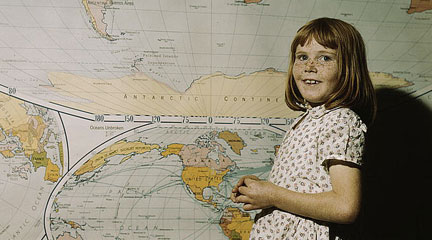
Edutopia’s Geo-Literacy Project is an interdisciplinary, project-based, approach to teaching local history that can be adapted for different locations. The goal of the project was to develop students’ literacies. Throughout the project, students were guided by the essential question, why is the preservation of a local historical site—in this case, Rush Ranch—important? They explored the site from a number of perspectives, working with local experts and community partners to understand the local environment. They then built websites using primary sources, images, videos, and student-created reports. Older students helped them prepare the content for this website and use the technologies. Specifically, this project demonstrates two promising practices:
- Using local history resources and issues to engage and challenge students.
- Using technologies in the history/social studies classroom to further learning
Throughout the extensive project, students were investigating, using primary sources of information, problem solving, and finally, communicating their findings.
What’s Notable?
This project-based approach teaches students to think about how the past relates to their own lives and how geography, geology, and history interact. Further, because the project asks students to present their findings through multimedia, web-based accounts, the project presents an opportunity to meaningfully use technology in the history/social studies classroom and share what they have learned with a larger audience.
Viewing Instructions
To view this example, either play it directly on the website or download it for free in iTunes.
Related Topics
e-WV: The West Virginia Encyclopedia
There’s far more to West Virginia than stereotypes suggest. Why not take some time to explore the state?
Core Historical Literature of Agriculture
Searchable facsimiles of 1,850 monographs and 288 journal volumes related to agriculture in the U.S. between 1806 and …