Jennifer Orr Starts the Year
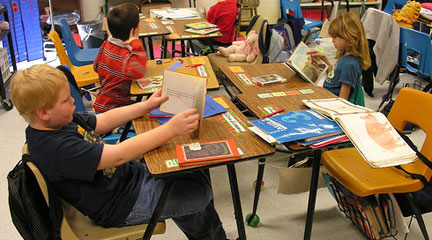
The beginning of the school year is crazy for so many reasons. Teachers have to unpack and set up their classrooms, get to know a whole batch of new students, determine the best way to communicate with parents, and plan engaging lessons designed to get students learning and help teachers assess students’ reading, writing, and math skills.
That list really only begins to scratch the surface of the start of the year reality. The first few weeks of school establish routines and set the tone for the year. This time can also be used to introduce students to the year’s curriculum and to get them excited about it.
Engaging students in different subject areas is critical and will pay off throughout the year. History and social studies are subjects in which many students have a natural interest, one that we just have to encourage.
History and social studies are subjects in which many students have a natural interest, one that we just have to encourage.
We can get to know our students through social studies at the beginning of the year through timelines. Create a timeline of your life (or of a part of your life) to share with your students. This will help them get to know you and be an example to teach them about timelines. Then have each student create a timeline of his or her life. You will learn quite a bit about each student as they gain a better understanding of an important history tool.
Picture books are another good option for hooking students on history. Read aloud a book with an unusual perspective, such as Encounter by Jane Yolen, and discuss students’ reactions to it. Books such as this one encourage students to ask questions. Reading a variety of historically based books in the first few weeks of school will support an environment that promotes asking questions and adopting different points of view. These are skills that will serve your students well throughout the year.
Primary sources are also a fabulous introduction to the year’s historical studies. Hang various items, artwork, documents, letters, or records that pertain to your curriculum in your classroom. Just put out one or two at a time. You can hang them up without any introduction and allow students to look at or read them and begin discussions on their own. Again, this will encourage them to ask questions about history. Once students are thinking about the item take a bit of time for a class discussion about it. Allow the students to share their thoughts and questions. Provide them with books or websites that will give them more information. In this way they will gain background knowledge for the year and practice skills that will help them throughout their study of history.
Related Materials
myHistro
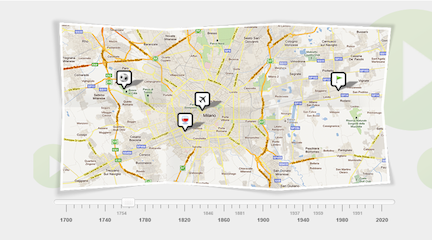
Combine maps and a timeline to tell the story of change over time and place with this visual tool!
Jennifer Orr on Making History Books
Integrate history and literacy in early elementary by making history books!
Joe Jelen on Digital Timelines
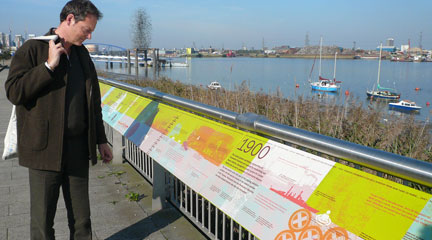
Tired of using up rolls of butcher paper on making timelines? High-school teacher Joe Jelen recommends flexible online …