Timelines and Historical Thought
Students often enter history classes with the assumption that history is only about names and dates to memorize and forget after tests. A strong activity to challenge that notion and reintroduce students to the complexities of historical work is a timeline-based lesson held after the introductory class.
Individually, students would create a master timeline of American history with the limitation of including only five points. This constraint forces students to make deliberate choices about what to include and what to exclude. Afterward, as a class, students would collaborate to create a class-wide master timeline with twenty points. Begin by compiling a list of all the events students included on their individual timelines. Then, have students vote and debate which of those items should appear on the class-wide timeline. Timelines can be created using digital tools like Canva.
Once the class timeline is complete, discuss the differences between the individual timelines and the collective one. Highlight how one timeline—like any historical tool, project, or book—can fill gaps left by another. Emphasize that while the past itself does not change, the choices made by historians and the public shape how we interpret and understand it.
Related Materials
Building a Conversation between Textbooks, Students, and Teachers
Class discussion and personal inquiry builds an interactive relationship between students and their textbooks.
YouTube Channel: PBS Origins
PBS Origins is a YouTube channel featuring short and medium-length videos that cover various historical moments and …
Digital Public Library of America
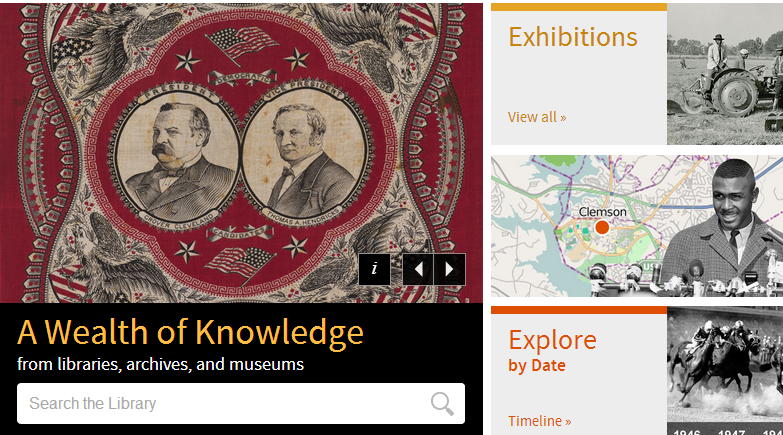
Search more than 4,500,000 primary sources from across the country from one website!