Ask a Master Teacher
Expert educators answer your teaching questions.
Showing 78 of 78 results
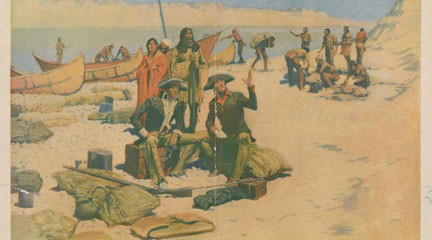
Exploring Historical Fiction
Make the Lewis and Clark expedition and life on the Oregon Trail come alive with these suggestions!
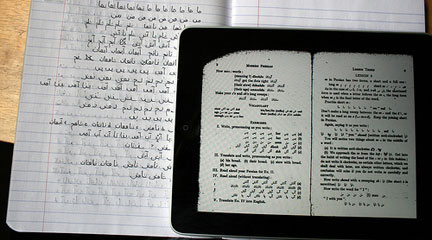
The iPad: A Digital History Gateway
Can iPads open an exciting new world filled with digital textbooks and sources?
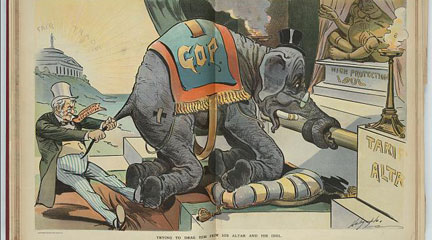
Establishing Connections: Teaching the Progressive Era
Students are often disconnected from the past. Why not immerse them in historic study by building off things they already know?

Building Background Knowledge for English Language Learners
How can we help our 5th-grade ELL students build background and make connections with our social studies curriculum?

World War and Literature
Can you suggest any literature covering World War I to World War II that my 10th-grade world history class can read?
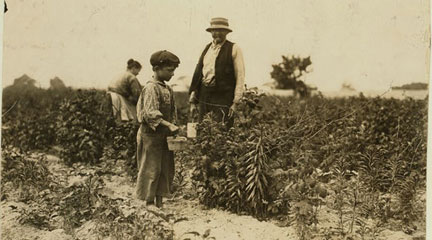
Researching Adolescent Immigrant History
Discover resources that will enable you to examine this unique area of American History.
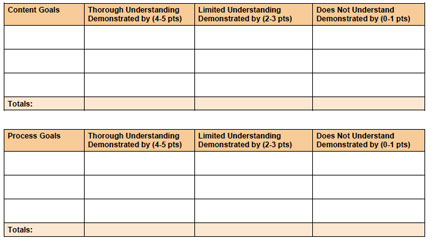
Rubrics for Learning Menus
Creating the perfect rubric is an impossible task. Creating a usable, easily adaptable rubric, however, is within your grasp.

Locating Resources on Teachinghistory.org
Have a specific topic you desperately need to locate primary sources for? We’re here to help.
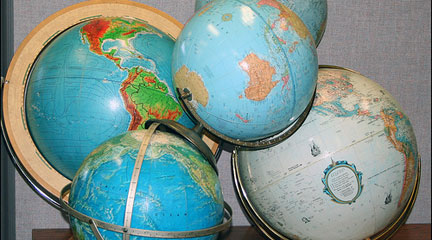
Teaching World History: An Idea Guide
Not sure how to go about devising World History lesson plans and activities? We’re here to help.
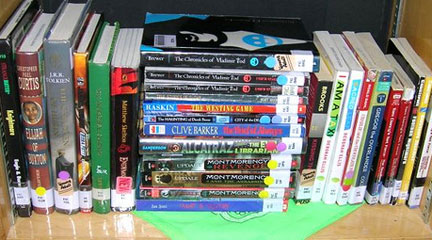
Historic Stories, Fictional Accounts: Achieving Multiperspectivity
Nonfiction texts are great sources for learning about historical events and figures. However, do fictional accounts also have a place in the history classroom?
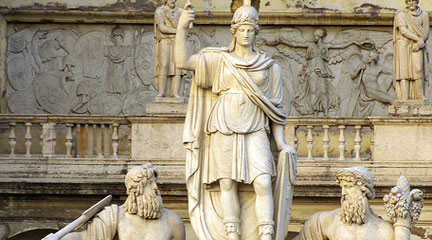
Understanding Civic Republicanism
In order for students to grasp the importance of American civic republicanism, they must first understand its origins.
Sifting for Sources
Curious to discover how to introduce young learners to primary and secondary sources? Click here now!
Advice for the Student Teacher
Are you caught between academic advisors and classroom teachers? Feel like you’re being pulled in opposite directions? We’re here to help.
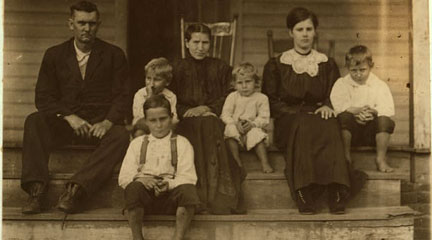
Stop and Source!
Students get more out of historical photographs when they take the time to explore who took them, where, and why.
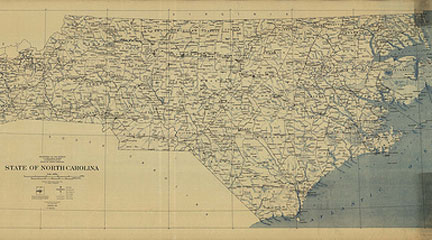
North Carolina History+Technology
Incorporating technology is an excellent way to engage students and deepen their understanding.
Resources for Teaching Local History
Unsure how to construct a curriculum that focuses on the history of your area? Click here to alleviate your confusion!

National History Day in Kentucky
NHD is a great way to get students to interact with history. KY teachers check this out!

Brain-based Research
What’s in a brain? Quite a lot actually! Discover how brain research relates to the history classroom.
Teaching High School History at Home
Searching for home schooling solutions? Look no more!

Tips and Tricks for Using Graphic Organizers
Graphic organizers can be tricky. Check out these tips on how to keep them simple!
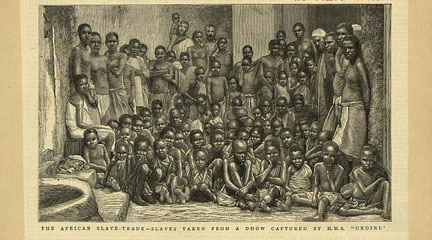
Slave Badges
Slave badges were used in Charleston to keep track of slaves. Can you build a lesson for 4th graders around them?

Picking Civics Textbooks
Textbooks may be fantastic, but curriculum is even better.
Researching the Role of the Map in History Teaching
Need to understand the theory behind maps as a history education tool? Look no further.
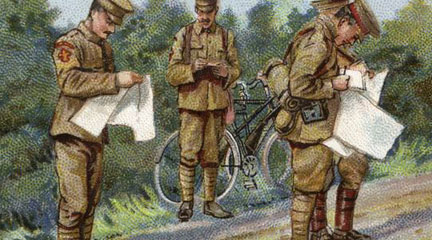
Making the Most of Maps
Have you always wanted to use maps in your classroom, but been unsure how to do so?
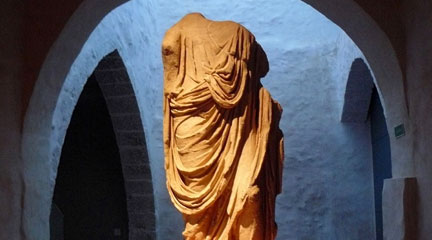
Bridging the Gap Between Ancient and Modern Democracies
To most students, “histories” are entirely separate—different civilizations, taught at different grade levels.

Setting the Tone: Introducing Students to World War II
Whichever lesson you pick, make sure it meets your learning goals.
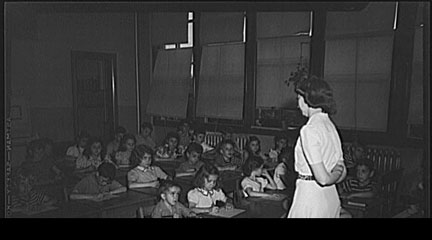
APPARTS Strategy: Origins and Implementation
Engrain the APPARTS strategy into young students, and they’ll be well on their way to AP-level performance.
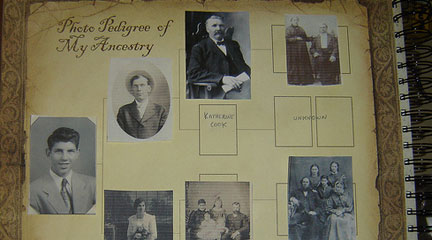
Storytelling with Scrapbooks
Be a creative teacher—use scrapbooks in YOUR history classroom!

National History Day Project: The Civil Rights Act of 1964
Learn more about the Civil Rights Act of 1964.
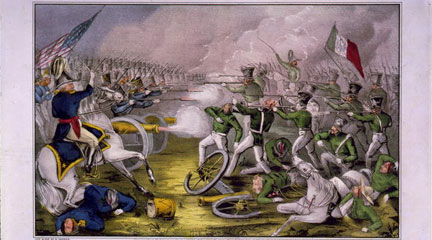
Researching the Mexican American War
Whether you are writing a paper or just curious, here are some great resources on the Mexican American War.
Making Personal Connections to the Past by Finding Historians
Whether you use the telephone or Skype, there are a number of ways to contact modern historians.
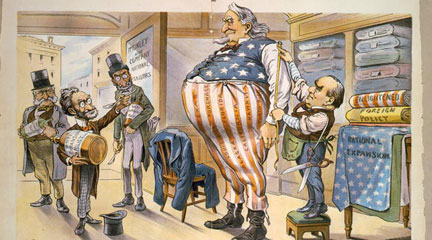
Teaching Imperialism: Incorporating Learning Activities and State Standards
Develop an engaging unit on American Imperialism that streamlines State Standards and Performance Objectives.

Follow the Line
Use these resources to integrate timelines into lesson plans!

Head Start Expectations
What are kindergartners expected to know coming out of Head Start? Find out!

Writing Critiques of Primary and Secondary Sources
Unsure how to properly critique sources? Check out these guidelines.
Web Resources for Controversial Issues
Want to know both sides of an issue? Check out these debate websites!

Teaching the History of Teaching History
So you know you love teaching history, but do you know the history behind teaching history?
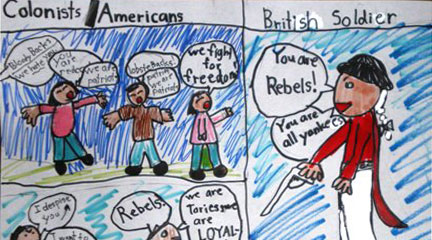
Picturing the American Revolution
Looking for a creative way to teach the American Revolution to struggling readers? Check this out!
Let's Get Folky
Looking for a way to spice up your lesson plans? Try incorporating folk music!
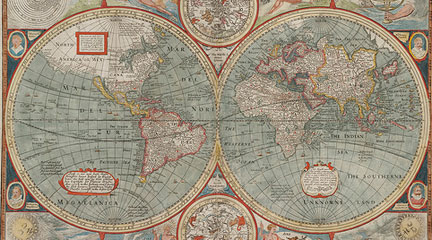
Interactive World History
Do you want to introduce a child to the wonders of world history? Find out how!
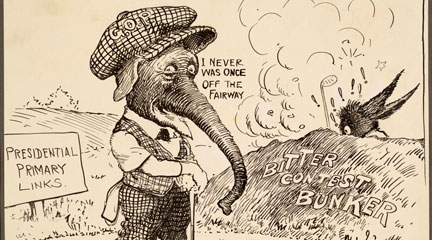
The Progressive Era: A Group Effort
Provides a comprehensive list of websites and strategies to creatively introduce students to Progressive Era topics.

Forming Lesson Plans Around State Mandates
How do you teach the effects of WWI on art and literature? Transforming a content standard into a solid lesson plan.
Using Visual Fine Arts to Enrich Understanding
The socio-cultural impact of historic events or time periods and the interpretation through various forms of media.
Deciphering Primary Source Documents
Create scaffolding and careful preparation of documents to promote student understanding of primary sources.

Researching for a Research Topic
Paring down a larger idea to answer one specific question.

Contingency
What is contingency? What does it have to do with K-12 historical thinking?

Lower Level Learners: Teaching Their Way
Regularly assess student understanding, and revise your lesson plans to match the needs of lower level learners.

America: The Story of US
Remember that any historical story, of the U.S. or otherwise, can be useful as long as it’s taken with a grain of salt.
Teaching the Transcontinental Railroad
From Chinese immigrants to the Golden Spike, explore the history of the transcontinental railroad.
A Larger Global or Interregional Story
Case studies grab attention, but how can you be sure you’re also teaching the big picture?

Building a Class on Native American History
Museums, colleges, and tribes are invaluable for gathering course-building materials on Native American history.
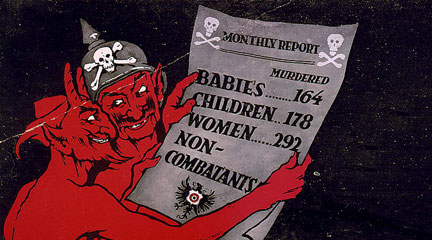
Tackling Tough Topics
Race, ethics, stereotyping—all are thorny issues integral to our history. How can you encourage empathy?

Meshing History and Montessori Method
In the Montessori philosophy, which prioritizes creativity, how can you best present history?

Constructivism: Actively Building Knowledge
Traditional concepts of knowledge and pedagogy view the student as a “fact sponge.”
Seeking Simulations
For when your students need a healthy dose of participation to liven up the classroom.

Two-Year High School U.S. History Programs
What are the benefits and detriments of implementing a two-year U.S. history course?

Integrating Technology into the Classroom
Upgrade to “school 2.0” through making the most of technological resources.
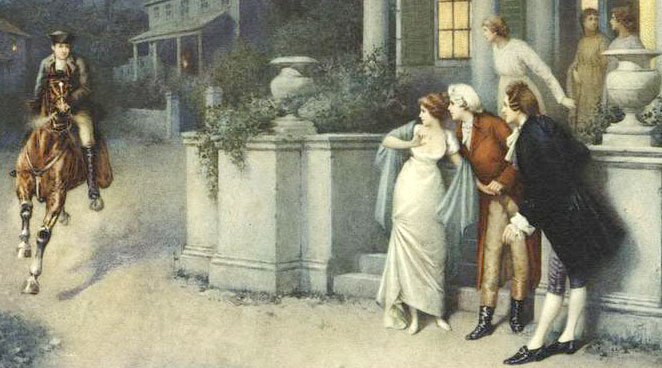
Resources for Units on Early American Government
When unit planning is daunting, look to exceptional examples online.

Multiperspectivity: What Is It, and Why Use It?
Simply pondering “multiperspectivity” (a European term for “multiple perspectives”) introduces the concept.

Elementary Military History Resources
You don’t have to wait until middle school to teach military history.

Teaching Public Issues in the Classroom
Teach your students to learn, care, and think internationally.
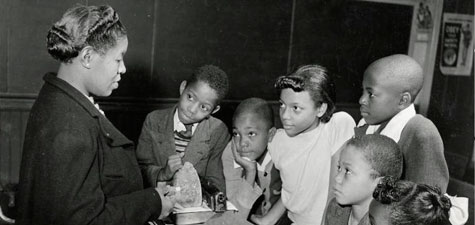
Tennessee's Social Studies Curriculum
Standardization is a fairly new concept in education.

Tall Tales: The West as Legend
Wrestling bears, surly cowboys, vultures circling lone travelers. . . Find resources on American myth.
Performance Assessments Requiring Historical Analysis
When you want your students to think, rather than just remember.
Realizing the Value of Primary Sources
When you just can’t get your students to care what the Founders, or anyone else, wrote.
Resources on Native American History
When the resources readily available to you are just not comprehensive enough.
History is All Around Us
Looking for history right where you are. You’d be surprised how inspiring local history can be.

Finding Local History Resources
Finding resources to teach local history in elementary classrooms.
Online U.S. History Textbooks
Where to begin your search to find reliable online history textbooks.
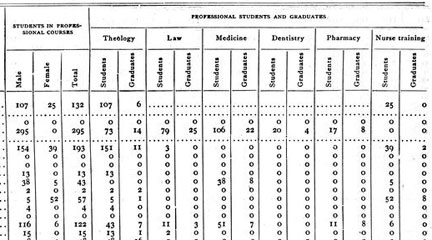
Data on Students' Knowledge of American History
Finding solid data on student learning in history can be a challenge. Here are some places to start.
Teaching the Declaration without Overwhelming Students
Is the Declaration of Independence challenging for your students? Check out these ideas to make this text more accessible.
Seeking U.S. History Books for 9th and 11th Graders
Look for school districts and teachers’ shared lists.
Changes in Teaching History Over the Past 10 Years
In the last 10 years, some major changes in history teaching have taken place.
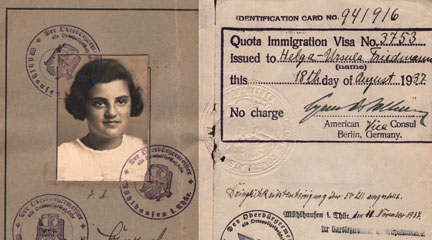
Bridging the Language Barrier
Vocabulary legends, guiding questions, and teamwork are all good solutions.

Teaching the Homebound or Hospitalized
Teaching the homebound or hospitalized student offers a chance to explore teaching with technology.
Teaching with Lectures and Documents
Using a variety of instructional strategies in your classroom makes good sense.
Challenging Gifted 10th Graders
Explore tips on challenging gifted high school students, including resources and strategies.

Using Document Based Questions with Struggling Readers
Should I just try to jazz up our textbook or can you suggest places to look to find documents that my kids can decipher?
No results match your search.