Teacher's Pick
Tenement Life
Students examine primary sources related to the life of an immigrant girl and her family to discover what life might have been like at the turn of the century.
Read More →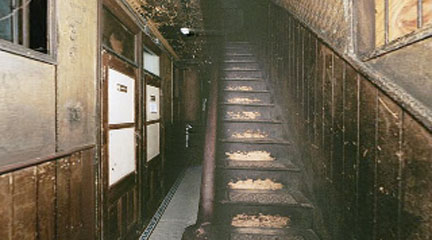
6-8 Resources
View All →Homicide in Chicago 1870-1930
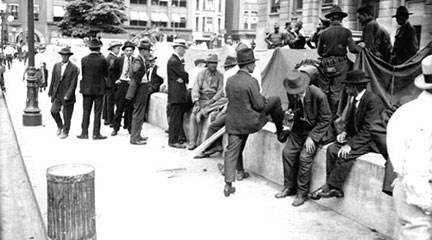
Covering urbanization and industrialization? This homicide index can help students understand social changes and …
Top Tens, or "Best Sites for..."

Are lists of Bests valuable?
Wordle

Does something this much fun belong in the classroom? Yes!

Does Twitter have value as an educational tool, or does it promote communication overload?
Elizabeth Schaefer on the Interactive Declaration of Independence
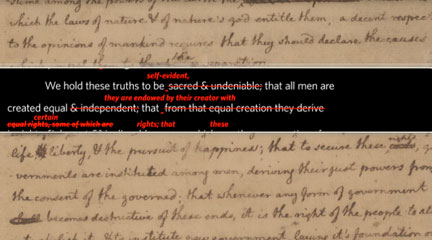
Eighth-grade U.S. history teacher Elizabeth Schaefer “warps” the Declaration of Independence into the future with …
What Do You Mean?: How Language Changes Over Time

This creative lesson transforms language into a historic artifact and enables students to analyze how language changes …
Evaluating the Validity of Information
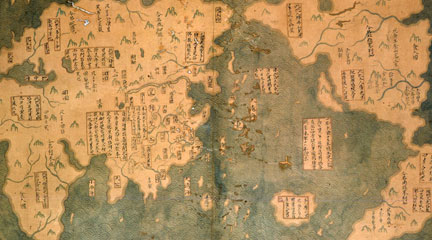
Did the Chinese discover America before Columbus? How would or does this impact our understanding of European explorers …
Lower Level Learners: Teaching Their Way

Regularly assess student understanding, and revise your lesson plans to match the needs of lower level learners.
Joe Jelen on Pocket Camcorders

With pocket camcorders, you can direct a class full of filmmakers. Joe Jelen takes a look at these tiny tools.
Targeting Content and English Language Objectives

Integrating English Language Development (ELD) standards and objectives into your lesson planning can strengthen both …
Search Engines

Beyond Google: effective use of search engines takes careful critical thinking.
Slave Receipts
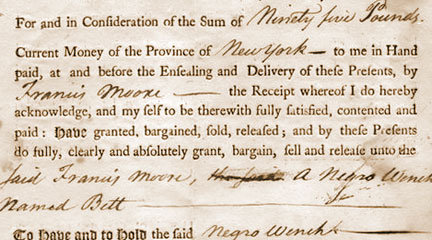
What do slave receipts reveal? Ever considered using similar documents to teach?
Applying KWL Guides to Sources with Elementary Students

To engage with a source, ask, “What do I know, what do I want to know, and what have I learned?”
Discovering Angel Island: The Story Behind the Poems

Learn about the experiences of immigrants detained at Angel Island and how this impacted their opinion of the US.
Tenement Life
Students examine primary sources related to the life of an immigrant girl and her family to discover what life might …
LucidChart
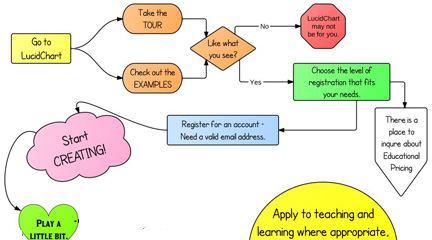
Map the twists and turns of a process or historical narrative with this charting tool.
Using Non-Linguistic Representations to Strengthen Historical Thinking
The classes at the urban San Diego charter school where I teach are not tracked. As a result, 100% of the juniors on …
150 Years Ago Today...
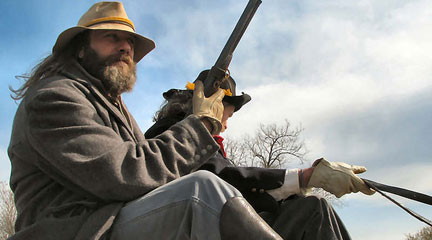
April 12th will mark the 150th anniversary of the American Civil War. How is your state celebrating?
Foundations of American History: John Brown Song
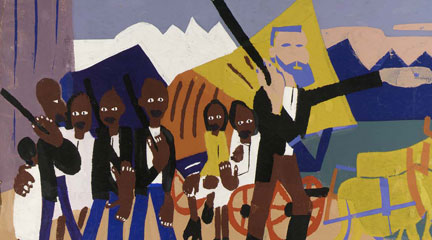
How did people in the North feel about John Brown after his raid on Harpers Ferry?
The Oregon Encyclopedia
A comprehensive guide of everything you ever wanted to know about Oregon history, and more!
Classroom Tools
View All →Diigo

Bookmark, organize, annotate, and share research and resources with Diigo.
Mission US: For Crown or Colony
Immerse your students in the 1770s with this online game.
Analyzing Campaign Commercials

Kristina Frank of Eagle Ridge Middle School brings modern and historical elections home to her students using campaign …
Weebly
Don’t be daunted by website creation—Weebly offers a user-friendly DIY interface.
Google Forms
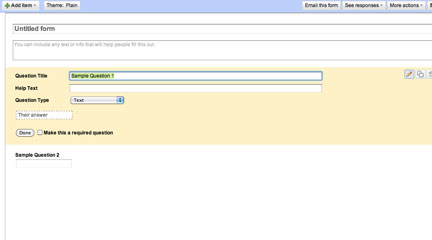
Collect information from your students and your peers with Google Forms.
DocsTeach
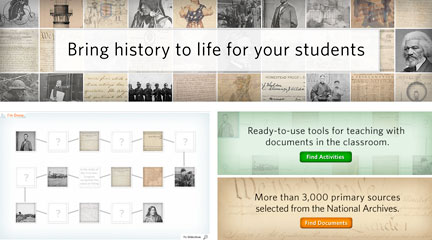
Find primary sources and the tools to present them to students—in one place.
Do I Have a Right?

Drill students on the constitutional amendments with this engaging game.
Does Twitter have value as an educational tool, or does it promote communication overload?
Padlet
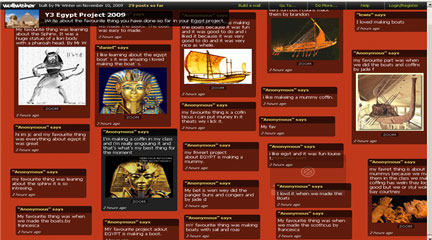
Facilitate dialogue in the history classroom with this online bulletin board maker.
Social Pinboards
Organize and share your online finds using online social pinboard services.
Document Cameras
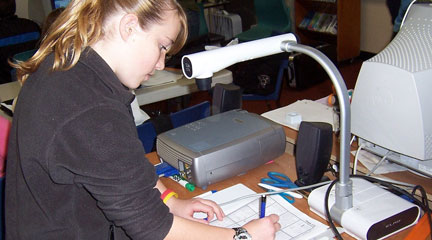
Liberate yourself from overhead projectors with these versatile pieces of hardware.
Understanding and Appreciating World War II Veterans
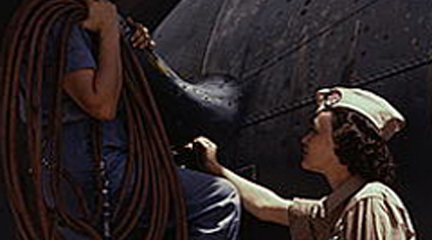
Immerse your students in World War II battles, veterans, and services for Veteran’s Day projects with these handy …
Vimeo
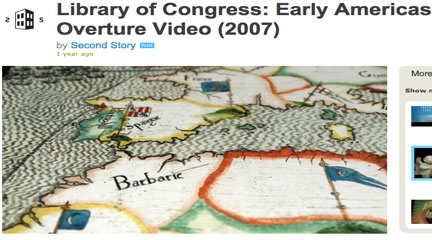
YouTube blocked at your school? Video uploading site Vimeo is here for you.
Win the White House

What does it take to win a presidential campaign? Try it yourself with this online game from iCivics!
Whiteboard Basics
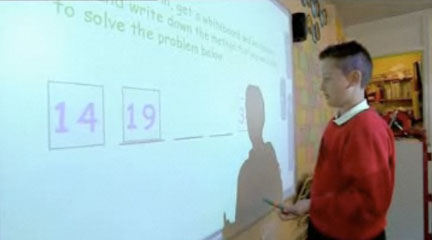
In this video (14 min.), UK teacher Simon Botten looks at basics in whiteboard use, aimed at elementary-school teachers. …
Blogs
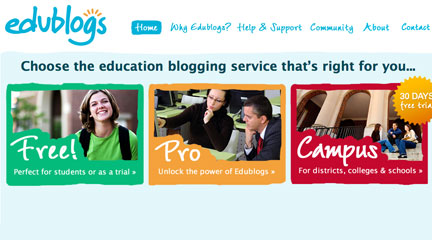
Learn how to use blogs as communication channels and pedagogical tools.
VoiceThread
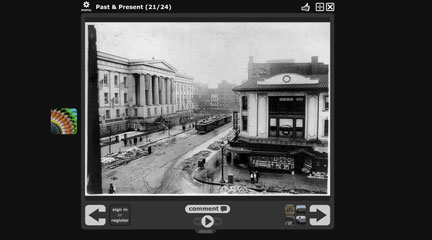
A multimedia collaborative tool with the American Association of School Librarians’ stamp of approval.
Flickr

Use pictures to teach and learn history—and explore copyright issues.
LucidChart
Map the twists and turns of a process or historical narrative with this charting tool.
Creating Cartoons: Pixton & ToonDoo
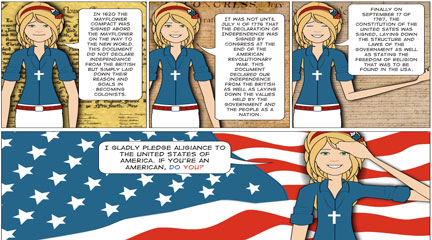
Maximize student creativity with these tools that let students create their own cartoons.