Teacher's Pick
History Explorer
The Smithsonian offers rich resources for teachers, but tracking them down can be difficult. Use History Explorer’s rich search features to make your hunt easier!
Read More →
K-2 Resources
View All →Picking Civics Textbooks

Textbooks may be fantastic, but curriculum is even better.
Upcoming Deadlines for Professional Development

February and March mark deadlines for several national professional development opportunities.
The Nation's Report Card: U.S. History, 2010
On June 14th, the National Assessment of Educational Progress (NAEP) released the Nation’s Report Card: U.S. History …
Applying KWL Guides to Sources with Elementary Students
To engage with a source, ask, “What do I know, what do I want to know, and what have I learned?”
Using Visual Fine Arts to Enrich Understanding
The socio-cultural impact of historic events or time periods and the interpretation through various forms of media.
Messages of Houses and Their Contents, 1780-1820
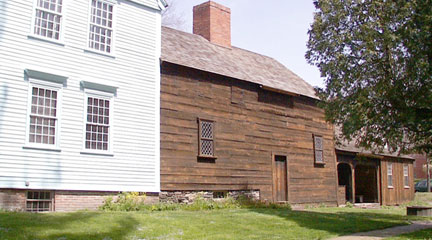
Examining changes in early American homes helps interpret the past. It reflects the transitions that occurred in that …
Reframing English Language Development
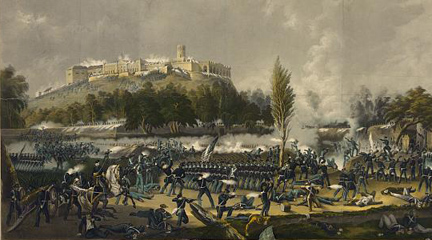
We history teachers who teach English language learners face a dilemma: how can we teach our students a rigorous history …
Realizing the Value of Primary Sources
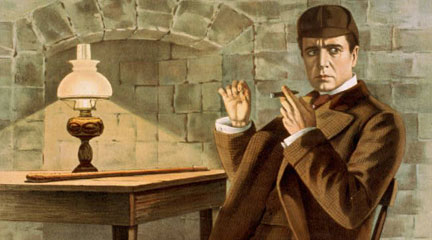
When you just can’t get your students to care what the Founders, or anyone else, wrote.
Anthony Pellegrino on Teaching Segregated History
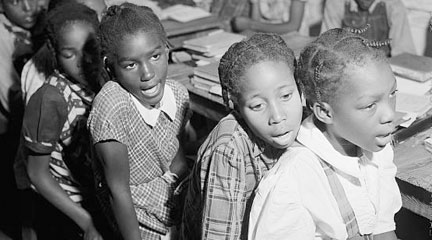
Anthony Pellegrino explores the history of one segregated school, and complicates his understanding of a traditional …
Children's Lives at Colonial London Town
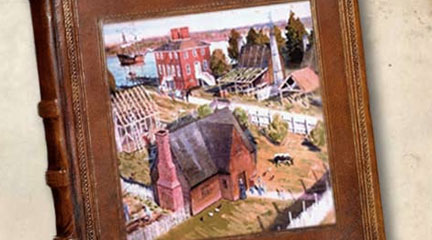
Invite young students into colonial history with the stories of children from three very different families.
Third Graders and Local History

Third graders explore civil rights history in their own hometown.
Google Forms
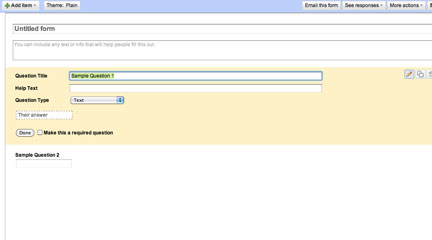
Collect information from your students and your peers with Google Forms.
What is Historical Thinking?
You can use a number of frameworks to help you understand and teach historical thinking. Teachinghistory.org’s Daisy …
Joe Jelen on the New York Public Library Digital Gallery
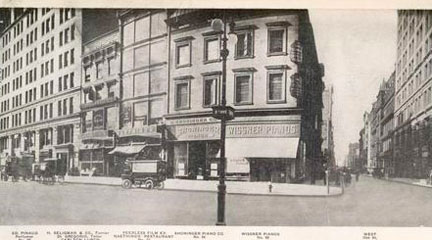
This digitized photographs contained in this collection can be incorporated into lesson plans in a variety of exciting …
Children and Youth in History
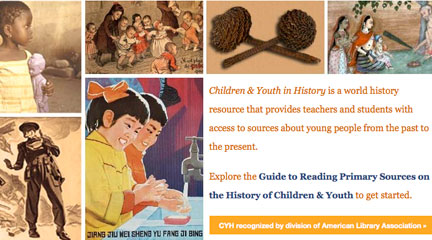
Bring history home to young students with sources they can relate to—and prompt older students to think about the …
Puerto Rico Encyclopedia/Enciclopedia de Puerto Rico
Connect with your ELL students with this bilingual Puerto Rico Encyclopedia!
Asian Pacific American Heritage Month 2011
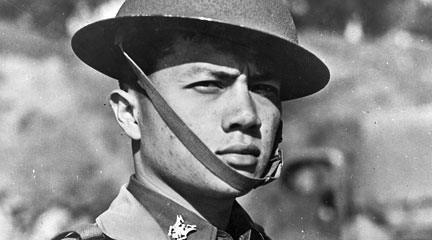
Scratch the surface of Asian Pacific American history this May, and keep digging.
Civil War Poster!
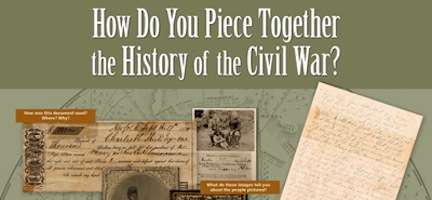
What can a quilt, a map, some photographs, a haversack, and a receipt tell you about the past?
Throughout the Ages
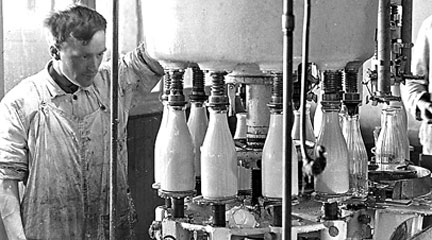
Looking for a primary source website created especially for elementary teachers?
Contingency
What is contingency? What does it have to do with K-12 historical thinking?
3-5 Resources
View All →ExplorePAhistory
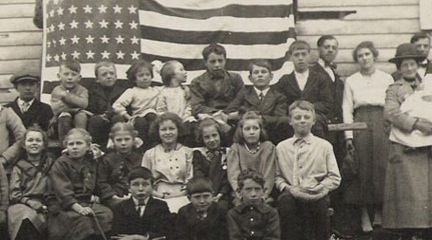
Explore this education- and tourism-centered website for lesson plans for teachers, as well as dozens of thematic topics …
Joe Jelen on Document Cameras
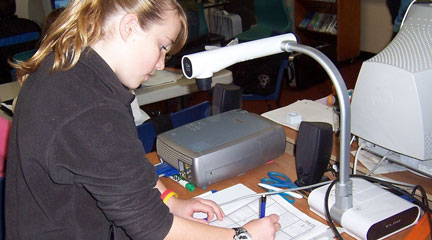
You don’t have a smartboard, but overheard projectors aren’t quite flexible enough for you. What to do? High-school …
Teaching and Learning History in the Digital Age (AHA 2011)
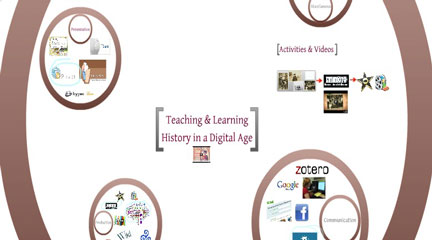
Rwany Sibaja recaps our presentation at the 2011 American Historical Association conference in Boston.
Jennifer Orr on Teaching Heroes
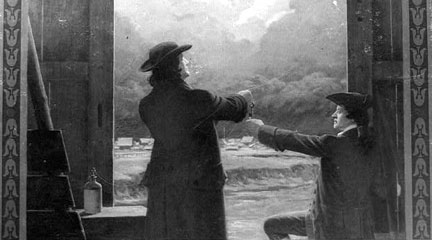
How do you teach cultural heroes without simplifying history? First-grade teacher Jennifer Orr takes care to make …
History is All Around Us
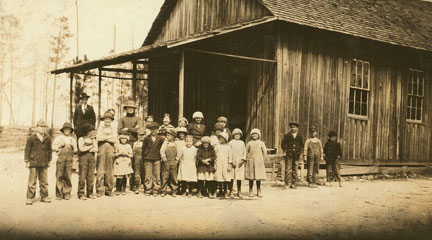
Looking for history right where you are. You’d be surprised how inspiring local history can be.
Mission US: For Crown or Colony
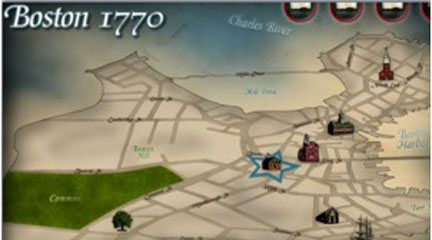
Immerse your students in the 1770s with this online game.
Stop Action and Assess Alternatives
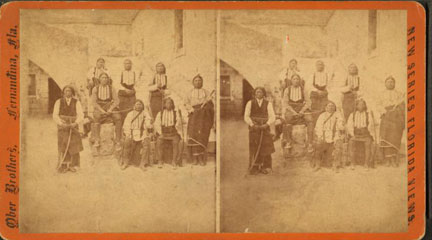
Teach students to explore contingency with this great lesson plan idea.
The Boston Massacre: Fact, Fiction, or Bad Memory
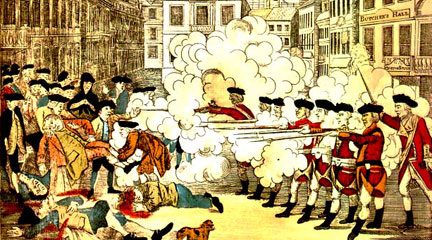
Help students think about where evidence for history comes from.
Ron Gorr on Imagining the Great Depression: Mixing Primary Documents and Student Creativity
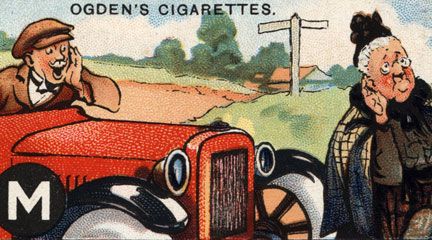
Use primary sources to tell stories and discover what the stories you create say about historical bias.
Third Graders Analyzing Historical Sources
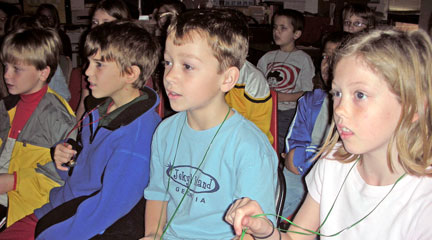
A 3rd-grade teacher leads her students through analysis of child labor photographs.
What Events Led to Lincoln's Assassination?
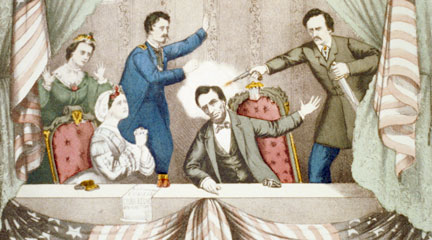
Elementary students investigate the first presidential assassination and debate whether it was avoidable.
Zotero
Zotero makes gathering, annotating, organizing, and cross-referencing research simple.
Learning Menus: Textbooks a la Carte
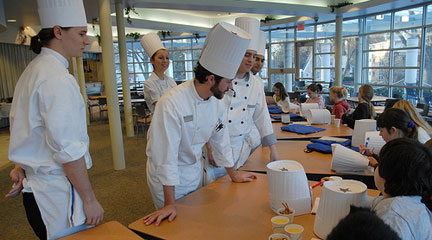
Turn your students into ‘master chefs’ by using learning menus that allow differentiated instruction.
Mark Smith on Using Constructivist Video Production
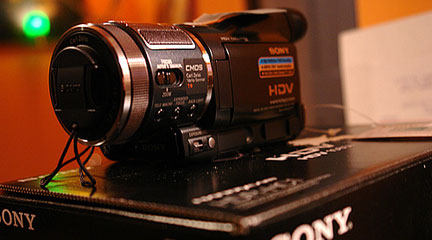
Do you use video creation as a culminating activity? Teacher Mark Smith suggests trying it at the beginning of a unit.
Conference-going for the Educational Professional
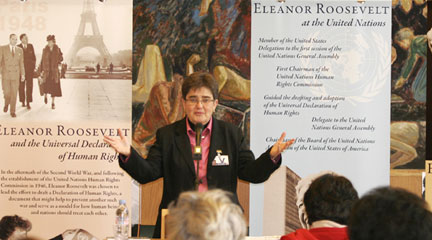
Considered attending a conference for professional development? Here are some suggestions on where to look and what to …
Understanding Civic Republicanism
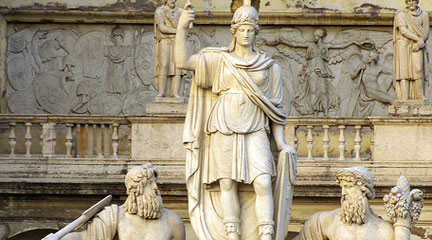
In order for students to grasp the importance of American civic republicanism, they must first understand its origins.
Wordle
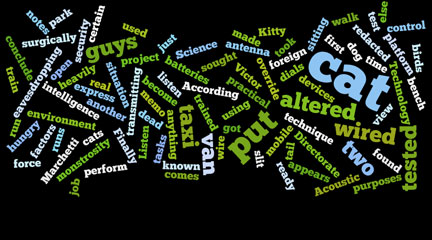
Does something this much fun belong in the classroom? Yes!
Teachinghistory.org’s AHA Workshop: Teaching the Past in a Digital World

Missed our workshop at the American Historical Association in Chicago? Catch a recap here.
Geo-Literacy Project: Students Explore Their World
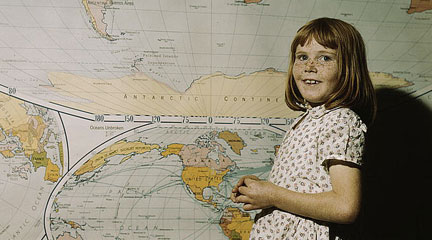
Teacher Eva La Mar’s third graders become historians, writers, and videographers as they explore a community site.
How to Introduce Students to Primary Sources
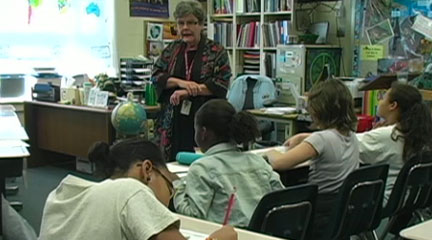
Introducing your students to primary sources for the first time? Watch fourth-grade teacher Marty MacKenzie guide her …
Classroom Tools
View All →Whiteboards and the Youngest Children
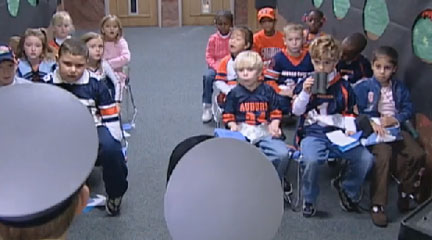
This video, from the Auburn Early Education Center, AL, shows examples of using digital tools, such as whiteboards, to …
Finding a Speaker Willing to Use Digital Networks

Bring history to life with Skype and other digital technologies.
Animoto

Discover new classroom possibilities with this easy-to-use video presentation tool.
Scribblar
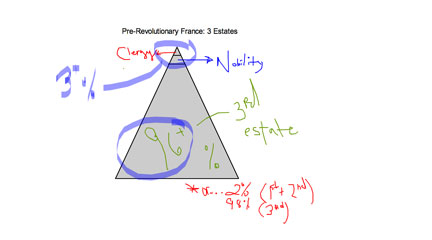
Teach in a virtual classroom? Try this collaborative online whiteboard tool.
Popplet
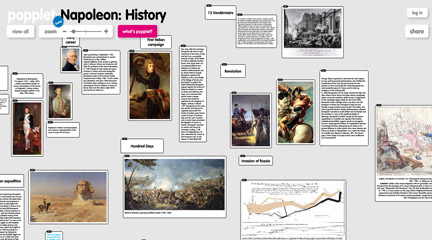
Brainstorm and organize ideas with this easy-to-use visual tool.
Padlet
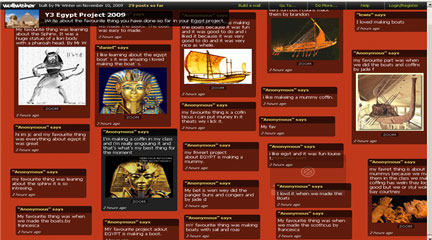
Facilitate dialogue in the history classroom with this online bulletin board maker.
YouTube
YouTube is an invaluable resource—just make sure to use it properly!
Search Engines

Beyond Google: effective use of search engines takes careful critical thinking.
Web Poster Wizard
Create a lesson, worksheet, or class page, and publish it online right away.
Google Maps
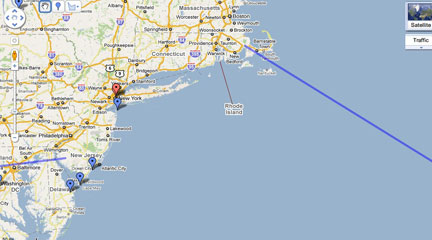
Discover a whole new world of mapping and geography with Google Maps!
Wordle
Does something this much fun belong in the classroom? Yes!
Slideshare
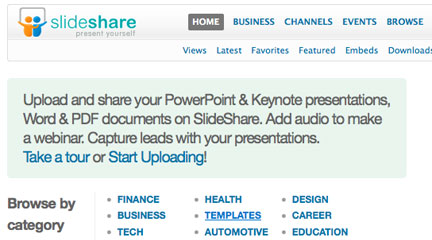
Share away on this YouTube-style site for PowerPoint, PDF, and OpenOffice projects.
Google Forms
Collect information from your students and your peers with Google Forms.
Is the Internet a Reliable Source for History Content?

Encourage students to think critically about website content by introducing evaluation criteria and rubrics.
LucidChart
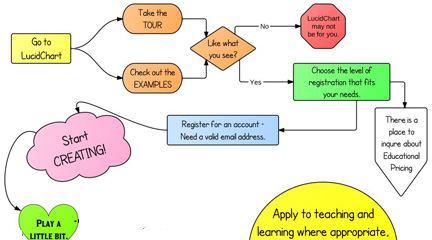
Map the twists and turns of a process or historical narrative with this charting tool.
Document Cameras
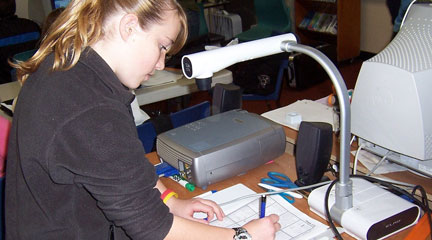
Liberate yourself from overhead projectors with these versatile pieces of hardware.
Beyond Google Searching
Google is great, but not always applicable to the history classroom. Discover a whole new world of academic online …
SurveyMonkey
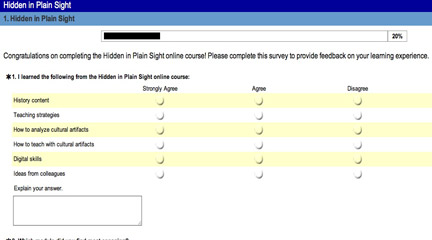
Digitize class surveys and poll student knowledge with this tool.
VoiceThread in a 1st-grade Classroom
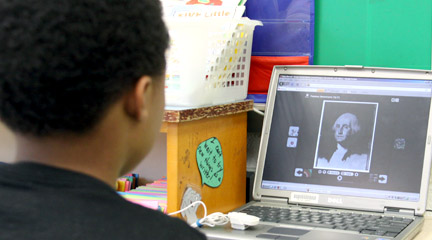
Students are never too young for digital tools—watch first graders use VoiceThread.
Prezi
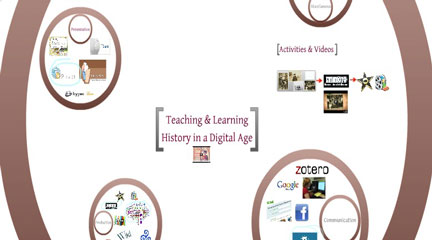
Open up a new world between whiteboards and slides with this presentation tool.