Teacher's Pick
TeacherServe
Attention Secondary teachers! Searching for essays on religion, the environment, or African Americans in U.S. history? TeacherServe is here for you!
Read More →
9-12 Resources
View All →Homicide in Chicago 1870-1930
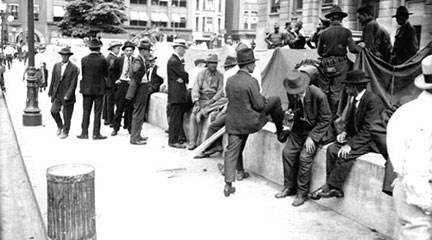
Covering urbanization and industrialization? This homicide index can help students understand social changes and …
Teaching the Declaration without Overwhelming Students
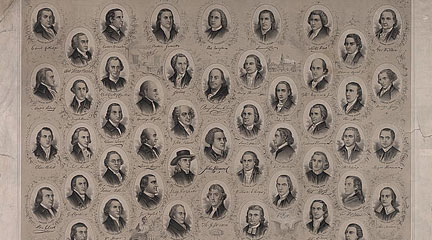
Is the Declaration of Independence challenging for your students? Check out these ideas to make this text more …
Close Reading for Vocabulary, Context, and Tone
Analyzing a source requires context for a more complete understanding.
Ron Gorr on Go to the Source (GTTS) Activities
Primary sources are crucial for historical study. AP history teacher Ron Gorr suggests ways to better incorporate them …
The U.S. House of Representatives Remembers September 11

9/11 impacted more than just the nation. This repository of oral history video and audio clips reflects the tragedy from …
Teaching with Monuments and Memorials
Every town has a scattering of historical markers and statues. Discover what they really mean!
Understanding and Appreciating World War II Veterans
Immerse your students in World War II battles, veterans, and services for Veteran’s Day projects with these handy …
Document Cameras
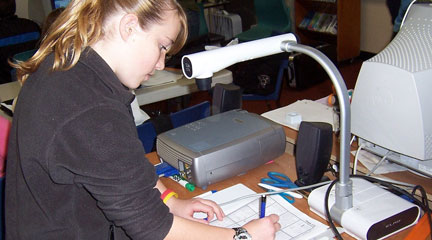
Liberate yourself from overhead projectors with these versatile pieces of hardware.
Integrating Technology into the Classroom

Upgrade to “school 2.0” through making the most of technological resources.
Tall Tales: The West as Legend

Wrestling bears, surly cowboys, vultures circling lone travelers. . . Find resources on American myth.
Web Poster Wizard
Create a lesson, worksheet, or class page, and publish it online right away.
The Election of 1932: Photographs of FDR
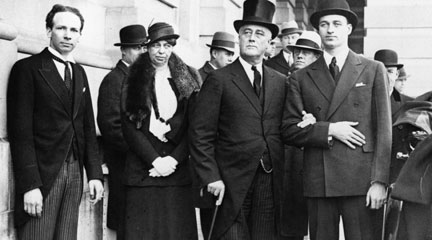
What can a photograph of Franklin D. Roosevelt in 1932 reveal? Donald A. Ritchie looks at the people captured in this …
The Cost of Industrialization

Use the Triangle Shirtwaist fire to examine the benefits and costs of industrialization.
Library of Congress’ Freedom

The Freedom site is a creation of the Library of Congress, whose mission is to “engage, inspire, and inform Congress and …
Glogster
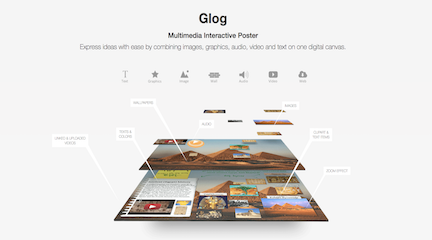
Glogster—a “posterboard” creator for the digital media age.
Teaching with Historic Places
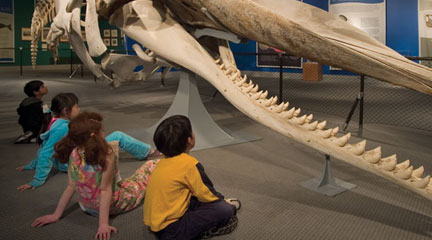
Looking for new ideas on how to teach with the historic places in your community?
Amy Trenkle on Interactive Whiteboards
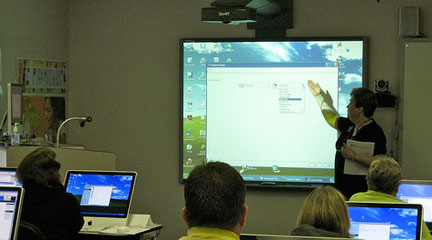
New technology in the classroom means new techniques and challenges. Eighth-grade teacher Amy Trenkle’s new whiteboard …
Jeremiah McCall on Evaluative Activities and Assessments for Simulation Games
Want to use digital games in your class? Jeremiah McCall shares five guidelines for evaluating games.
VoiceThread
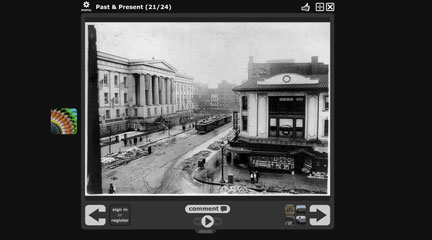
A multimedia collaborative tool with the American Association of School Librarians’ stamp of approval.
Teaching Strategies for Museums: Graphic Organizers

Eighth-grade teacher Amy Trenkle keeps students on-task before, during, and after a museum visit with graphic …
Classroom Tools
View All →Mission US: For Crown or Colony
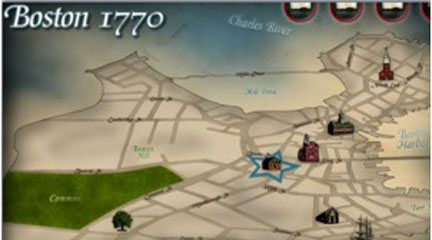
Immerse your students in the 1770s with this online game.
Crosscurricular Multimedia: AP U.S. History and Govt Classes Collaborate
With AP exams over for the year, AP U.S. History teacher Monte Bourjaily and AP U.S. Government teacher Ken Halla didn’t …
Do I Have a Right?

Drill students on the constitutional amendments with this engaging game.
Google Maps
Discover a whole new world of mapping and geography with Google Maps!
Slideshare
Share away on this YouTube-style site for PowerPoint, PDF, and OpenOffice projects.
Popplet
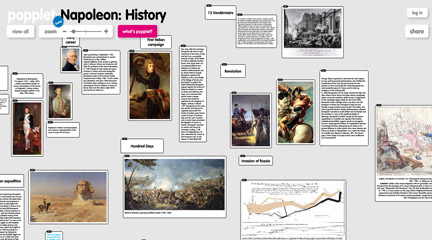
Brainstorm and organize ideas with this easy-to-use visual tool.
DocsTeach
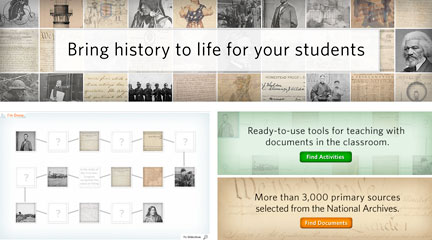
Find primary sources and the tools to present them to students—in one place.
Zoom-in Inquiry

High school teacher Joe Jelen introduces the primary source analysis strategy “zoom-in inquiry.”
IWitness
Delve into 20th-century history with Holocaust survivor and witness testimonies.
Zotero
Zotero makes gathering, annotating, organizing, and cross-referencing research simple.
Google Forms
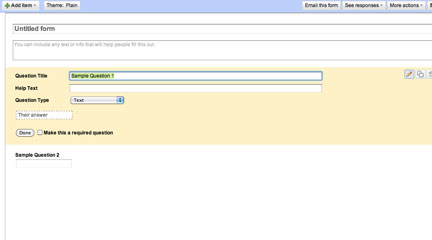
Collect information from your students and your peers with Google Forms.
Is the Internet a Reliable Source for History Content?

Encourage students to think critically about website content by introducing evaluation criteria and rubrics.
Vimeo
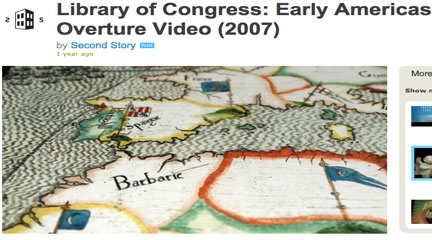
YouTube blocked at your school? Video uploading site Vimeo is here for you.
Introduction to Google Docs
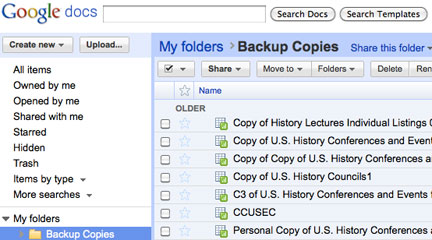
In this official Google-created video, educators and other school personnel volunteer ways they’ve used Google Docs in …
Learner Response Systems (Clickers)
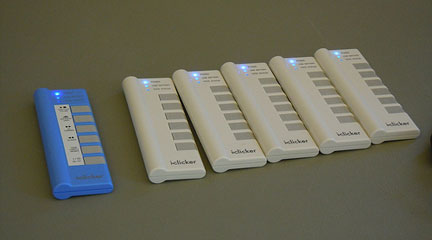
Check out this tech-based alternative to counting raised hands.
Flickr

Use pictures to teach and learn history—and explore copyright issues.
Win the White House
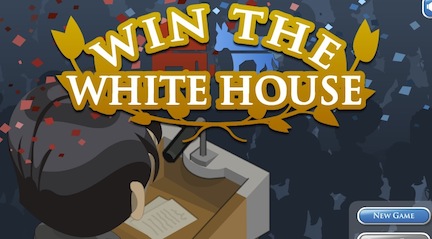
What does it take to win a presidential campaign? Try it yourself with this online game from iCivics!
SurveyMonkey
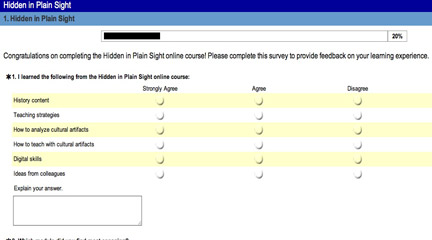
Digitize class surveys and poll student knowledge with this tool.
Google Docs

Create, share, and collaborate with this free word-processing tool!
Document Cameras
Liberate yourself from overhead projectors with these versatile pieces of hardware.