In Motion: The African-American Migration Experience
Image
Image for In Motion: The African-American Migration Experience
Annotation

Migration, both forced and voluntary, remains a prominent theme in African American history. This website is built around the history of 13 African American migration experiences: the transatlantic slave trade (1450s–1867), runaway journeys (1630s–1865), the domestic slave trade (1760s–1865), colonization and emigration (1783–1910s), Haitian Immigration (1791–1809), Western migration (1840s–1970), and Northern migration (1840s–1890).

Twentieth-century migrations include the Great Migration (1916–1930), the Second Great Migration (1940–1970), Caribbean immigration (1900–present), the return South migration (1970–present), Haitian immigration in the 20th century (1970–present), and African immigration (1970–present). More than 16,500 pages of texts, 8,300 illustrations, and 67 maps are included. An interactive timeline places migration in the context of U.S. history and the history of the African Diaspora.

Geography of Slavery in America

Image
Image, March 14, 1766 slave ad, Geography of Slavery in America
Annotation

Transcriptions and images of more than 4,000 newspaper advertisements for runaway slaves and indentured servants between 1736 and 1803 can be browsed or search on this website. The runaways are primarily from Virginia, but also come from states along the Eastern seaboard and locations abroad. Materials include ads placed by owners and overseers as well as those placed by sheriffs and other governmental officials for captured or suspected runaway slaves. Additional advertisements announce runaway servants, sailors, and military deserters.

"Exploring Advertisements" offers browse, search, and full-text search functions, as well as maps and timelines for viewing the geographic locations of slaves. The site also provides documents on runaways—including letters, other newspaper materials, literature and narratives, and several dozen official records, such as laws, county records, and House of Burgess journals. Information on the currency and clothing of the time, a gazetteer with seven maps of the region, and a 13-title bibliography are also available.

Civil Rights in Mississippi Digital Archive

Image
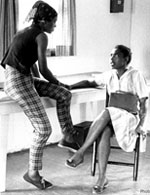
Photo, V. J. Gray and L. Cress, Herbert Randall, 1964, Civil Rights in Miss...
Annotation

These 150 oral history interviews and 16 collections of documents address the civil rights movement in Mississippi. Interviews were conducted with figures on both sides of the movement, including volunteers and activists as well as "race-baiting" Governor Ross Barnett and national White Citizens Council leader William J. Simmons.

Document collections offer hundreds of pages of letters, journals, photographs, pamphlets, newsletters, FBI reports, and arrest records. Approximately 25 interviews also offer audio clips. Users may browse finding aids or search by keyword. Six collections pertain to Freedom Summer, the 1964 volunteer initiative in Mississippi to establish schools, register voters, and organize a biracial Democratic party. One collection is devoted to the freedom riders who challenged segregation in 1961. Four explanatory essays provide historical context. Short biographies are furnished on each interviewee and donor, as well as a list of topics addressed and 30 links to other civil rights websites.

Dynamics of Idealism: Volunteers for Civil Rights, 1965-1982

Image
Image for Dynamics of Idealism:  Volunteers for Civil Rights, 1965-1982
Annotation

These materials were collected for a study on the attitudes, backgrounds, goals, and experiences of volunteers participating in a 1965 Southern Christian Leadership Conference voter registration effort. Resources include questionnaires submitted prior to and following the project, as well as a follow-up survey conducted in 1982.

Participants were queried about why they volunteered, what they expected, their attitudes regarding race and politics, images they held of the South, expectations they had regarding the African American community, personal memories and effects of their participation, and subsequent attitudes regarding civil rights, violence, and social change. These resources offer insight into the Civil Rights Movement and some sociological aspects of American reformers.

Portrait of Medgar Evers

Description

Smithsonian curators examine a photograph of civil rights activist Medgar Evers (1925-1963), looking at what it says about the tension between racial groups at the time and the call for social change an accumulation of such media objects can communicate.

History of Martin Luther King Jr. Holiday

Description

Congressman Conyers leads a discussion of the legislative history of efforts to establish a federal holiday in honor of Dr. Martin Luther King Jr. and the continuing significance of the Reverend Dr. King's life. The Congressional Black Caucus and its co-founder Rep. Conyers were leaders in that effort. After their presentations, the panelists responds to audience members' questions.

In November 1983, President Ronald Reagan signed into law legislation declaring the third Monday in January as the Martin Luther King, Jr. Federal Holiday, to celebrate the birthday and life of the slain civil rights leader. It had been 15 years since Dr. King's assassination.