Historic Pittsburgh

Image
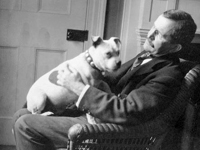
Photo, Charles Hart Spencer. . . , 1905, Spencer family, Historic Pittsburgh
Annotation

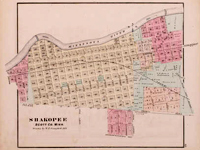
This site offers an extensive archive of material on the history and culture of Pittsburgh, including full-text published works, maps, images, and census records, as well as archival finding aids. The full-text collection, covering the colonial period through World War I, presents more than 500 books on Pittsburgh and Pennsylvania history, including manuscripts, reports, dictionaries, diaries, and periodicals. The collection can be browsed by author, genre, date published, or categories such as culture and society or people and personalities. It can also be searched by keyword or bibliographic information including author, title, and subject. The map collection offers visitors the ability to search and view 1,122 plates from 26 volumes of Hopkins Real Estate maps (1872 ñ 1939) and the 1914 Warrantee Atlas of Allegheny County. The more than 8,000 images can be browse by time period (1860s to 1980s), location, collection, or through four thematic presentations focused on work, play, home life, and personalities.

Also available are searchable U.S. census schedules for Pittsburgh from 1850 to 1880 and for Allegheny City from 1850 to 1870 and archival finding aids to 700 archival collections. Additionally, there is a timeline of Pittsburgh history from 1750 to 2000 and two lesson plans for teachers based on the material in the site's collections, one on using census data and one on using the map collections. A useful resource with a variety of primary source material for anyone researching the social or cultural history of Pittsburgh.

Medicine in the Americas, 1619-1914

Image
Logo, Medicine in the Americas 1610-1914: a Digital Library
Annotation

This small "digital library" offers a collection of eight historical medical books related to the development of medicine in the U.S. PDF files of the original documents are accompanied by a transcription and a brief description. Additionally, most of the documents have a link to a "historical note" with a more detailed description of the document. The text of the documents is searchable. The eight medical works are Clara Barton's 1878 pamphlet on the Red Cross; Thomas N. Chase's 1903 Atlanta University conference report on the mortality of African Americans in cities; Benjamin Coleman's observations on smallpox inoculation, written during the 1721 Boston smallpox epidemic; an 1825 description by Robert Waln, Jr., of the Friends Asylum near Philadelphia, the first private hospital in the United States entirely dedicated to the treatment of mental illness; William T. G. Morton's 1847 work on producing anesthesia by the inhalation of sulphuric ether; L. Emmett Holt's 1894 book on the care and feeding of children; Benjamin Rush's 1808 pamphlet on medical care for U.S. Army soldiers; and the text of the 1906 Pure Food and Drug Act that led to the creation of the Food and Drug Administration.

Silicon Valley History Online

Image
Photo, Thin film, Intel Corporation, 2003, Silicon Valley History Online
Annotation

This small archive provides more than 850 images from the mid-18th century to the present of the Santa Clara Valley in California. Browse the archive or view images through six thematic groupings: agriculture (91 images); education (147 images); people (467 images); technology (182 items); transportation (125 items); and urban life (78 items). There is some overlap between the collections. Keyword and advanced searches are also available. There are seven lesson plans on the history of the Santa Clara Valley, primarily for high school. Topics include the 1906 earthquake, the history of technology, urban development, the Ohlone Indians, women in Santa Clara County, and transportation.

Virtual Museum and Archive of the SEC and Securities History

Image
Photo, Placing Orders, Early 1920s, Library of Congress
Annotation

This archive and virtual museum offers papers, photographs, and oral histories on the U.S. Securities and Exchange Commission (SEC) and its role in U.S. and international markets from 1929 to the present. There are 742 papers, reports, letters, notes, memoranda, transcripts of Congressional subcommittee hearings, and other documents organized chronologically by decade. Also available are 761 photographs arranged alphabetically. These include portraits, group photos, and photos of important events in the history of the SEC. There are edited transcripts and audio recordings of 33 oral history interviews and seven SEC roundtable discussions (some include essays and video). An interactive timeline allows visitors to explore important events in the history of the SEC.

A galleries section combines text and images in narratives exploring themes or important periods in the SEC's history. Each includes an introductory essay by the exhibit curator and primary materials, including papers, images or video clips, and oral histories. There are edited transcripts and audio of 21 original programs broadcast from the site as well as links to 38 related websites. Search is limited to keyword searches across the entire site. This site provides useful resources for studying the history of business and is an excellent starting point for those interested in the history of the SEC or those studying the history of business, businesspeople, or corporations

Western History Photography Collection

Image
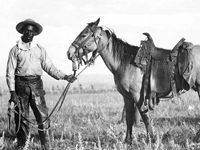
Photo, Black cowboy and horse, c. 1890-1920, Western History Collection
Annotation

This combined archive and exhibit contains more than 100,000 images, including photographs, broadsides, posters, maps, advertisements, and other documents. There is a keyword search but no feature for browsing the entire collection. Many of the images can be browsed, however, through nine "galleries," or thematic collections of selected images. "Scenic Rails of the West" is a large exhibit with seven image galleries that include towns, touring, railroads, native culture, and national parks. The "Photos West Classics" gallery is also large and includes the most frequently requested images. Topics include children, saloons, trails and covered wagons, famous Westerners, famous Native Americans, Wild West shows, and Western life. Other galleries include "Railroads," "Building Histories," and "Native American Women." All images are accompanied by a descriptive catalog record and are available for purchase. A learning page (accessed through "news") offers 18 lessons. This website is a valuable source of images on Western figures, culture, environment, politics, and economic development. Teachers of the American West will also find valuable instructional resources.

Encyclopedia of Chicago, Historical Sources

Image
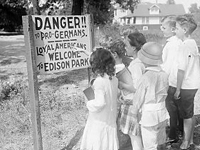
Photo, Children standing in front. . . , 1917, Encyclopedia of Chicago
Annotation

This archive brings together more than 1,300 images on a wide array of topics related to Chicago, its people, and its culture. The material in the collection spans both the 19th and 20th centuries and includes photographs, advertisements, broadsides, maps, letters, newspaper articles, illustrations, and engravings. The photographs include aerial views of the Chicago cityscape, Chicago places, Chicago industries and workers performing their trades, historic photographs, Chicago events, and photographs of Chicago's people. The more than 100 maps can be browsed separately. Each item is cross-referenced to related items in the collection and many of the images are accompanied by explanatory text. The images can be enlarged and there are features for rotation and magnification.

Additionally, the site offers interpretive essays on the Plan of Chicago of 1909, "one of the most noted documents in the history of city planning" and the importance of water in Chicago's history. Other special features are a biographical dictionary, a dictionary of leading Chicago businesses from 1820-2000, and a presentation on how Chicagoans remember their history with images and brief interpretations. In addition, the entire contents of Encyclopedia of Chicago can be searched. A useful resource on the history of Chicago or urban history.

Turning Points in Wisconsin History

Image
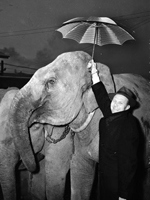
Photo, Arthur M. Vinje, April 4, 1947
Annotation

This website allows visitors to explore the history of Wisconsin through essays, primary source documents, lesson plans, and maps. The main feature is 53 presentations grouped under 10 overall topics: early native peoples; early explorers, traders, and settlers; territory to statehood; immigration and settlement; Civil War era; mining, lumber, and agriculture; Progressive Era; 20th-century wars and conflicts; prosperity, depression, industrialization, and urbanization; and response to 20th-century change. Each topic offers four or more presentations with a short introductory essay; primary sources available on the site; primary sources available elsewhere; and related links.

Documents available on the site include more than 140 books, tracts, pamphlets, or papers; more than 100 images; more than 260 articles; and more than 35 manuscripts. The site also offers 95 reference maps. There are more than 45 elementary and 36 secondary lesson plans searchable by keyword, grade level, and/or topic. The advanced search allows visitors to search by fields such as agriculture, intellectual life, and politics; or by keyword, education level, topic, presentation, or type of document. Additionally, there is a tutorial on using primary documents. This website is a good starting point for teaching or researching Wisconsin or the mid-Western region.

Thar's Gold in Them Thar Hills: Gold and Gold Mining in Georgia, 1830s-1940s

Image
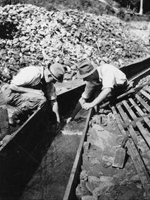
Photo, Two men searching for gold in a sluice flume, Thar's Gold in. . . site
Annotation

This website examines gold mining in Georgia's Lumpkin County from the late 1830s through the early 1940s with 90 primary sources, including letters, memoranda, photographs, picture postcards, and selected legal, financial, and promotional documents, including company prospectuses. The main concentration is the period between Reconstruction and the turn of the 20th century. Subjects include account collection, companies, leases, machinery, mineral rights, operations and techniques, and ore handling. An essay on Georgia gold mining history with links to primary documents discusses the Georgia Gold Rush, the "Great Intrusion" and Cherokee Removal, the U.S. branch mint in Dahlonega, gold mining in Georgia during the second half of the 19th century, the Second Georgia Gold Rush, 20th-century gold mining activity, and gold tourism. "Players and Places" provides brief descriptions of the people and places involved. "Suggested Readings" lists 38 related books, articles, and web essays as well as 14 mining company prospectuses and reports available at various archives and libraries. There is also a list of related archival collections.

Minnesota Maps Online

Image
Map, 1874, Alfred Theodore Andreas, Minnesota Maps Online
Annotation

This site allows the visitor to search and view Minnesota's original public land survey plats created by the U.S. Surveyor General's Office during the years 1848 to 1907 and the later General Land Office and Bureau of Land Management maps of the state. The collection includes more than 3,500 original land survey maps; an 1873 map book of Hennepin County; late-19th-century plat books of Dakota, Hennepin, Ramsey, and Winona counties; and an 1871 illustrated historical atlas of Minnesota. Browse all the maps and plats or search the collection by county, township/range, or keyword. The advanced search feature allows the researcher to search the collection by title, subject, description, creator, publisher, date, source, or coverage. A useful resource for those researching the social, economic, environmental, or political history of Minnesota and its counties and towns.

Automobile in American Life and Society

Image
Hartford Auto-Jack advertisement, 1911, Automobile in American. . . site
Annotation

This website was designed as an academic resource for courses focused on the automobile and the automobile industry. Each section—design, environment, gender, labor, and race—has a short introduction and two illustrated scholarly essays (often including annotated bibliographies). The complete text of each essay can be viewed in a separate window and each essay is accompanied by a student and teacher resources section with one or more questions for reading, discussion, writing, and research, as well as questions making connections between the essays. "Design" also offers a list of 110 "automotive oral histories" available in the Benson Ford research center, but only 17 are available on the site. Visitors can search the site by keyword but no advanced search is available. This site is a useful resource for students and educators studying the role of the automobile in American culture and society.