Samuel J. May Anti-Slavery Collection
Image
Annotation

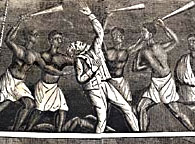
This is one of the richest collections of anti-slavery and Civil War materials in the world. Reverend Samuel J. May, an American abolitionist, donated his collection of anti-slavery materials to the Cornell Library in 1870. Following May's lead, other abolitionists in the U.S. and Great Britain contributed materials. The collection now consists of more than 10,000 pamphlets, leaflets, broadsides, local anti-slavery society newsletters, sermons, essays, and arguments for and against slavery. Materials date from 1704 to 1942 and cover slavery in the United States and the West Indies, the slave trade, and emancipation. More than 300,000 pages are available for full-text searching. Accompanying the documents are eight links to other collections.
American Radicalism Collection

Image
Annotation

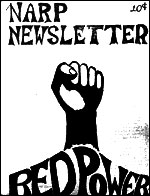
This website contains 129 pamphlets, documents, and newsletters produced by or relevant to radical movements. Groups represented by one to 30 documents include the American Indian Movement; Asian Americans; the Black Panthers; the Hollywood Ten; the Ku Klux Klan, the IWW, and the Students for a Democratic Society. Additional situations covered include the Rosenberg case, Sacco and Vanzetti, and the Scottsboro Boys. Additional topics include birth control and the events at Wounded Knee. This is a small but useful resource on radicalism, political movements, and rhetoric.

African-American Experience in Ohio: From the Ohio Historical Society

Image
Annotation

The collection includes more than 30,000 items relating to African American life in Ohio between 1850 and 1920, including personal papers, association records, a plantation account book, ex-slave narratives, legal records, pamphlets, and speeches. More than 15,000 articles from 11 Ohio newspapers and the African Methodist Episcopal Church Review, perhaps the oldest African American periodical, are included. Also provides more than 300 photographs of local community leaders, buildings, ex-slaves, and African American members of the military and police. Materials represent themes such as slavery, abolition, the Underground Railroad, African Americans in politics and government, and religion. Items include an extensive collection of correspondence by George A. Myers, an African American businessman and politician, as well as prominent political speeches.

Slaves and the Courts, 1740-1860

Image
Annotation

More than 100 published materials on legal aspects of slavery are available on this website. These include 8,700 pages of court decisions and arguments, reports, proceedings, journals, and a letter. Most of the pamphlets and books pertain to American cases in the 19th century. Additional documents address the slave trade, slave codes, the Fugitive Slave Law, and slave insurrections as well as presenting courtroom proceedings from famous trials such as the 18th-century Somerset v. Stewart case in England, the Amistad case, the Denmark Vesey conspiracy trial, and trials of noted abolitionists John Brown and William Lloyd Garrison. A special presentation discusses the slave code in the District of Columbia. Searchable by keyword, subject, author, and title, this site is valuable for studying legal history, African American history, and 19th-century American history.

Dred Scott Case

Image
Annotation

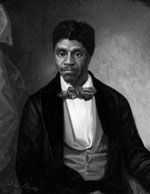
The Dred Scott case began in 1846 when slaves Dred and Harriet Scott sued for their freedom, basing their argument on the fact that they had lived in non-slave territories for a number of years. The case ended with the landmark U.S. Supreme Court decision of 1857 that not only denied Scott both citizenship and the right to sue in federal court, but ruled that he never had been free and that Congress did not have the right to prohibit slavery in the territories. The decision sparked increased sectional tensions in the years leading to the Civil War. Facsimiles and transcriptions of 85 legal documents relating to the Dred Scott case are provided on this website. The site also provides a chronology and links to 301 Freedom Suits—legal petitions for freedom filed by or on behalf of slaves—in St. Louis courts from 1814 to 1860.

Seattle Civil Rights and Labor History Project

Image
Annotation

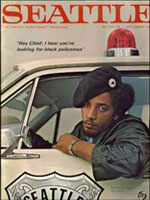
The long history of struggle for equal rights by various ethnic groups in Seattle, including Filipino, Chinese, Japanese, African, and Native Americans; Jews; and Latinos is documented on this website. Primary and secondary sources integrate labor rights movements with struggles for political rights, as is evident in the "special sections," that highlight the Chicano/a movement, the Black Panther Party, Filipino Cannery Unionism, the United Construction Workers Association, Communism, and the United Farm Workers. Each section brings together oral histories, documents, newspapers, and photographs that are accompanied by written and video commentary to provide historical context. The collection of more than 70 oral histories of activists is especially useful for understanding the lived experience of racism and its especially subtle workings in the Pacific Northwest. Together, these resources provide important national context for the civil rights struggle, too often understood as a solely southern phenomenon.

SIRIS Image Gallery

Image
Annotation

Highlights from the Smithsonian Institution are presented here, with access to a database of close to 140,000 images from Smithsonian archives and museums. The Image Gallery presents a sample of images, browsable by format, such as photographs, slides, drawings, postcards, and stereographs. Images are also organized by repository, including the Freer Gallery, the Archives Center, and the National Anthropological Archive.

"Frequently Used Images" provides a link to the most popular images, sorted by month and year. Within the Archives Center, for example, there are four collections with more than 30,000 images, including the Underwood and Underwood Glass Stereograph Collection, 1895–1921 on topics such as actors, African Americans, disasters, ethnic humor, immigration, Indians, labor, presidents, women, and World War I. The Addison N. Scurlock Collection presents more than 2,000 black-and-white images, primarily of Washington, DC, and from African American life. There are 1,500 advertisements from the Ivory Soap Advertising Collection and close to 200 postcards. All images may be searched via the "Search Images" tab.

Slavery in New York

Image
Annotation

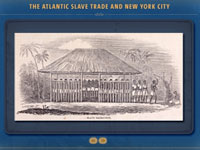
Focusing on the experiences of Africans and African Americans in New York City, this collection presents nine galleries that explore various themes and time periods in the history of slavery. These include the Atlantic slave trade; slavery in Dutch New York; the growth of slavery in British Colonial New York; freedom for blacks during the Revolutionary War; the Gradual Emancipation Act of 1799; free blacks in public life; Emancipation Day (July 4, 1827), and the history of scholarship on slavery in New York City. Each gallery has three panels: a gallery overview, a main thematic presentation, and one focusing on people, places, and documents. Of special interest are two interactive maps with timelines in the Dutch New York gallery and the Revolutionary War gallery; a picture gallery on the portrayal of blacks in New York City's public life; and profiles of nine African Americans who lived in New York City during the early republic.

Territorial Kansas Online

Image
Annotation

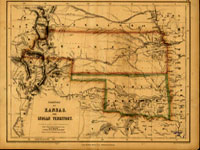
These Territorial Kansas collections convey the growing divisions in Kansas and the nation over the expansion of slavery, federalism, nationalism, industrialization, and changing political coalitions in Congress. Materials include government documents, diaries, letters, photographs, maps, newspapers, rare secondary sources, historical artifacts, and images of historic sites. The website is divided into five sections: Territorial Politics and Government; Border Warfare; Immigration and Early Settlement; Personalities; and National Debate about Kansas. Each is searchable by keyword, author, and county. Topical sections are subdivided into relevant themes and include an introductory essay. Visitors will find essays on territorial politics, the rights of women and African Americans, military organizations, and free state and pro-slavery organizations. "Personalities" lists 32 individuals, including John Calhoun, and the final section presents both anti-slavery and pro-slavery perspectives of the national debate about Kansas. The site also includes a timeline with links and an annotated bibliography.

Thomas Paine National Historical Association

Image
Annotation

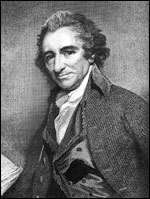
With full-text versions of seven books and essays in addition to five 19th- and early 20th-century biographies, this website presents the life and works of Thomas Paine (1737–1809). Materials include Common Sense, The Rights of Man, The Age of Reason, The Crisis Papers, "African Slavery in America," "Agrarian Justice," and "An Occasional Letter on the Female Sex." These texts are reproduced from The Complete Writings of Thomas Paine, a 1945 publication edited and annotated by historian Philip S. Foner. The site also includes Foner's section introductions and his "Chronological Table of Thomas Paine's Writings." Unfortunately, the site also includes hundreds of broken links to additional essays and letters by Paine. The biographies presented provide works published from 1819 to 1925. The site also reprints Thomas Edison's 1925 essay, "The Philosophy of Thomas Paine," in which he attempted to reawaken interest in Paine.